A Traditional Guide to Preventing Frozen and Broken Pipes
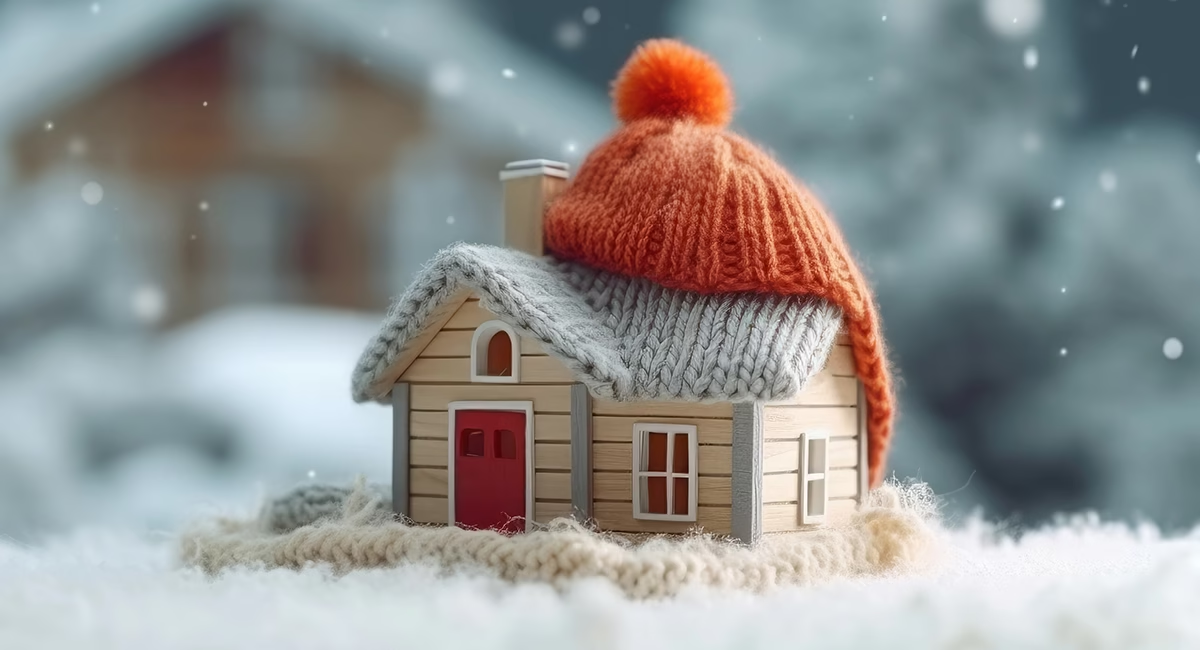
As winter settles into Willow Heights, our neighborhood takes on a quiet beauty — frosted lawns, cool mornings, and peaceful evenings. Yet this season also brings one of the most common and costly home emergencies: frozen plumbing.
Burst pipes don’t just damage one home — they often affect neighbors, shared drainage, and even streets. The good news is that a little old-fashioned preparation can spare you thousands of dollars and a great deal of frustration.
Here’s how to protect your home the right way.
Start Outside: Hoses and Faucets Come First
Your outdoor plumbing is the most exposed part of your system and the first place freezing begins.
Before the first hard freeze:
- Remove every garden hose from your outside faucets. Even a little trapped water can expand and crack pipes behind the wall.
- Drain both the hose and the faucet completely.
- Cover the outdoor spigot with a foam or insulated faucet cover. These inexpensive covers act like a winter coat for the metal valve.
- Store hoses indoors or in a shed until spring.
This simple habit prevents one of the most common winter pipe failures.
Shut Off and Empty Exterior Water Lines
Most homes in Willow Heights have indoor shut-off valves dedicated to outside faucets. Using them is one of the smartest winter steps you can take.
- Find the valve that controls each outdoor spigot — usually in a garage, crawl space, or utility area.
- Turn the valve off fully.
- Go back outside and open the faucet. Let any remaining water drain out.
- Leave the faucet slightly open during winter. This gives expanding ice room to move without bursting the pipe.
This old-school method is still one of the best protections you can use.
Insulate Pipes That Face the Cold
Any pipe running through an unheated space is at risk. That includes:
- Garages
- Crawl spaces
- Attics
- Exterior walls
Use foam pipe insulation or heat tape to wrap exposed pipes. Pay special attention to:
- The cold-water line entering your water heater
- The hot-water line leaving it
Also inspect your foundation and walls for cracks, vents, or gaps where cold air blows directly onto pipes. Sealing those openings keeps warmth in and freezing air out.
Let Water Move When the Temperature Plunges
When temperatures drop well below freezing for long periods, even well-insulated pipes can struggle. This is when the old “drip method” earns its reputation.
- Choose a faucet on an exterior wall or far from the main water line.
- Let both hot and cold water run at a slow drip.
- Moving water relieves pressure and prevents ice from forming inside the pipes.
Place a container under the faucet to collect the water and avoid waste.
If You Travel, Protect Your Home
A quiet, empty house is especially vulnerable in winter.
Before you leave:
- Set your thermostat no lower than 55°F. Never shut the heat off.
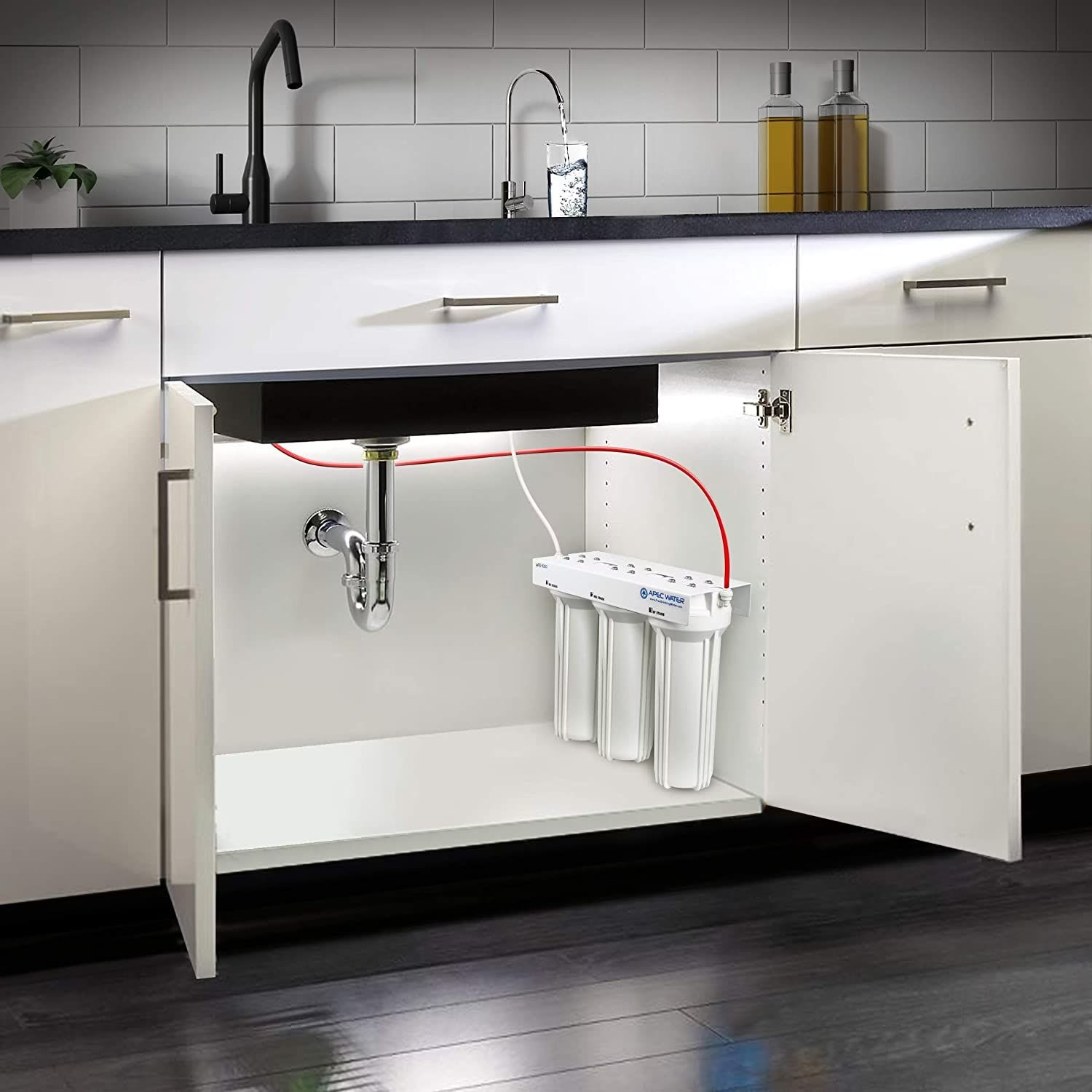
- Open cabinet doors under sinks to allow warm air to circulate around pipes.
- Ask a neighbor to check on your home during extreme cold, just to ensure the heat is running and nothing looks out of place.
A quick look from someone nearby can prevent a disaster.
A Little Preparation Goes a Long Way
Winter in Willow Heights should be peaceful — not filled with emergency plumbers and water damage. These time-tested steps protect not just your home, but the entire community.
A few hours of preparation today can save weeks of repairs tomorrow. Stay warm, stay dry, and enjoy the season the way it was meant to be.