A Simple Routine That Prevents Bigger Problems Later
Long before professional inspectors and digital reports, homeowners relied on one reliable habit: walking their property and paying attention. As winter fades and spring begins to stir, this simple tradition is still one of the best ways to protect a home from unnecessary damage.
A few small checks done now—before heavy rain, growing plants, and shifting temperatures—can prevent leaks, rot, and expensive repairs later in the season.
Walk the Property with Purpose
Choose a dry, mild day and slowly walk around your home. Look at it the way water, wind, and time would.
Pay attention to:
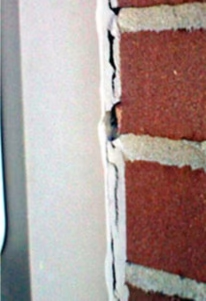
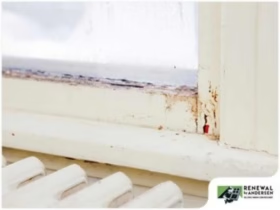
- Siding and trim for gaps, cracking, or peeling paint
- Corners and joints where moisture likes to sneak in
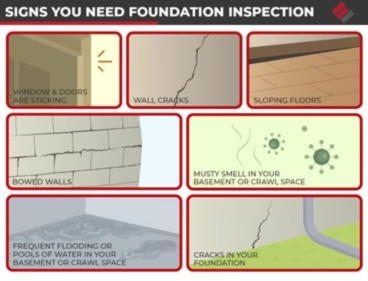
- The base of the walls where soil meets the foundation
You’re not looking for perfection. You’re looking for anything that has changed since last season. Small flaws now are easy fixes. Ignored ones become spring headaches.
Make Sure Rain Has a Place to Go
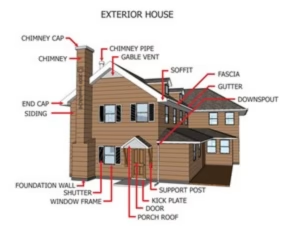
Gutters and downspouts quietly protect your home more than almost anything else.
Check that:
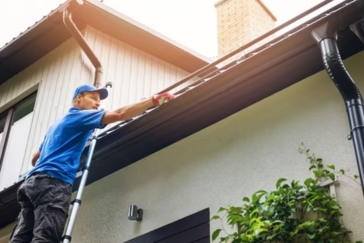
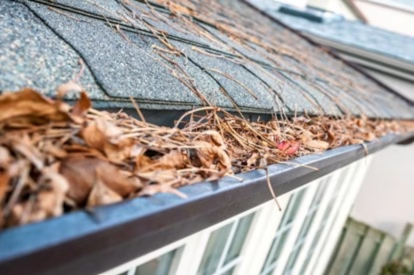
- Gutters are free of leaves, grit, and roof debris
- Brackets are secure and not pulling away
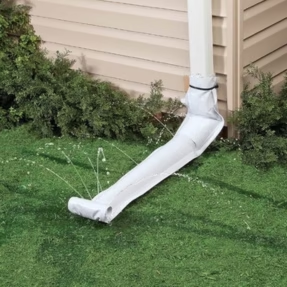
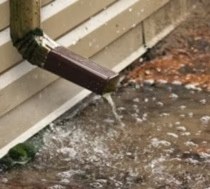
- Downspouts send water several feet away from the house
If water drops straight down beside your foundation, it can soak into soil, shift concrete, and find its way indoors. A simple downspout extender keeps moisture where it belongs—away from your home.
Seal Up Doors and Windows
Cold weather makes materials contract. When things warm up again, gaps appear.
Take a close look at:
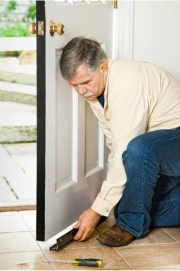
- Door sweeps
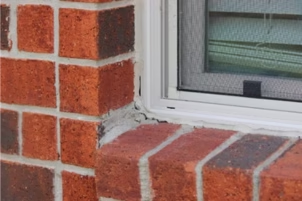
- Window caulking
- Weatherstripping around frames
If you see daylight or feel a breeze, air and moisture are moving too. Resealing these areas improves comfort and lowers energy costs all year long.
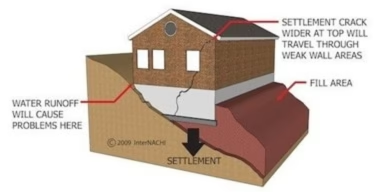
Watch How Water Moves Across Your Yard
Spring rain shows you things winter hides.
Look for:
- Low spots where water pools
- Soil that has settled away from the foundation
- Areas where runoff flows toward the house
A shovel and a few bags of soil now can redirect water and prevent erosion, foundation damage, and soggy landscaping later.
Inspect Outdoor Hardware
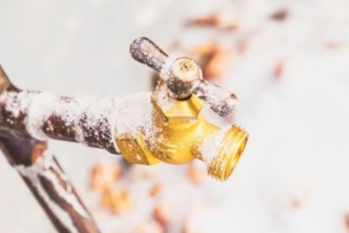
Freezing temperatures loosen fasteners and crack seals.
Take a few minutes to check:
- Hose connections
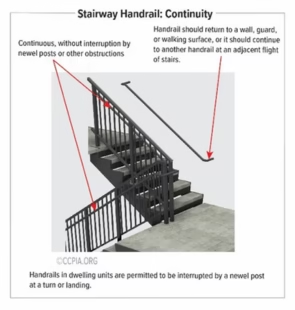
- Handrails and steps
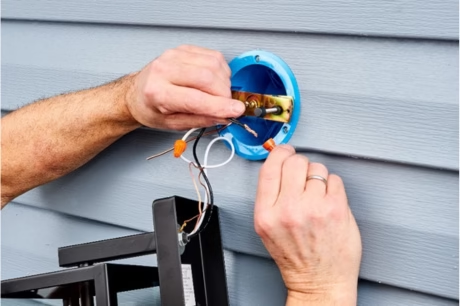
- Exterior lights
- Fence posts and gates
Tightening, replacing, or resealing these items now keeps them safe and dependable when outdoor activity picks up.
The Value of Old-Fashioned Attention
Pre-spring care isn’t about fancy tools or major projects. It’s about noticing what your home is quietly telling you and addressing it before small problems grow.
Just as homeowners have done for generations, a slow walk and a watchful eye are often the best protection a house can have. A little care today makes spring smoother, safer, and far more enjoyable.